 +(91) 8448822366
 neurohopesofficial@gmail.com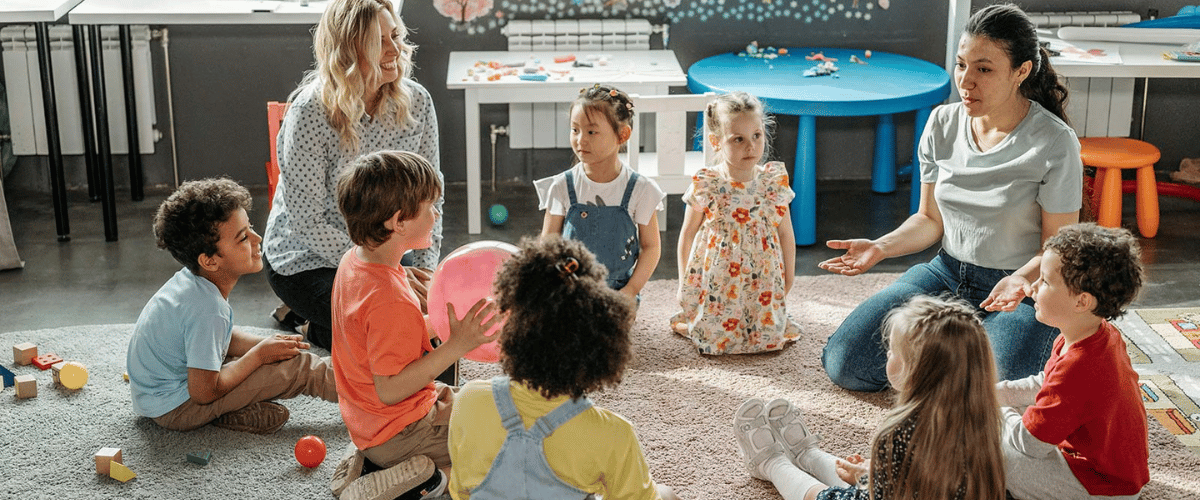
Group Therapy for Special Children in Ghaziabad and East Delhi
Helping Children Learn, Connect, and Grow Through Group Therapy
Introduction
At Neuro Hopes, a leading Group Therapy centre for Children with Special Needs in Ghaziabad and East Delhi, we offer specialized group therapy sessions for children with special needs, including those with Autism Spectrum Disorders (ASD), ADHD, learning disabilities, and developmental delays. These sessions are designed to enhance social skills, emotional regulation, and communication abilities in a structured, supportive environment and .
What is Group Therapy?
Group therapy is a form of psychotherapy where a small group of individuals meets regularly under the guidance of a trained therapist to work through similar challenges together. In a pediatric setting, like at Neuro Hopes, it is often used to help children practice social skills and emotional regulation in a real-world, peer-supported environment.
How Group Therapy Works
- The Setting: Sessions typically consist of 3 to 8 children of similar ages or developmental levels.
- The Facilitator: A professional therapist (occupational, speech, or behavioural) guides the interaction to ensure it remains safe, productive, and therapeutic.
- The Activities: Instead of just "talking," pediatric group therapy often involves structured play, cooperative games, and team-based problem-solving.
Key Features of Group Therapy
- Social Skills Development
Children practice eye contact, turn-taking, listening, and appropriate responses, promoting stronger social communication. - Emotional Support
Peer interaction fosters empathy, emotional expression, and builds self-confidence. - Communication Enhancement
Activities such as role-playing, games, and storytelling improve both verbal and non-verbal communication. - Behavior Modelling
Children learn self-regulation and positive behaviours by observing and imitating peers. - Real-Life Scenario Practice
Children gain exposure to real-world social situations through practice and feedback.
Procedure of Group Therapy
- Assessment
Each child undergoes an individual evaluation. We collaborate with parents, teachers, and healthcare providers to understand the child’s needs. - Group Formation
Children are grouped based on developmental level, diagnosis, and therapy goals (3–8 per group). - Goal Setting
Specific goals (e.g., improving eye contact, reducing aggression, and promoting cooperative play) are set for each child. - Session Planning
Engaging activities such as games, music, role-play, and art focus on themes like friendship, anger management, and emotional expression. - Therapist Facilitation
Sessions are led by experienced occupational therapists, speech-language pathologists, and clinical psychologists. - Parental Involvement
We provide parents with feedback and home strategies for consistent progress. - Progress Evaluation
Regular assessments track outcomes and guide updates to therapy plans.
Core Pillars of Group Therapy
Based on the therapeutic framework at Neuro Hopes
- Structure and Routine: We utilize visual schedules and predictable daily routines to help children feel secure, reduce anxiety, and maintain focus throughout the session.
- Optimal Group Dynamics: Our sessions maintain small group sizes (typically 3–6 children), ensuring that each child receives personalized attention while still benefiting from peer interaction.
- Multidisciplinary Expertise: Every group is led by expert therapists who are specialized in sensory integration and behaviour regulation, allowing us to address complex developmental needs in real-time.
- Targeted Support: By grouping children with similar developmental goals, we provide focused interventions that help them build the specific social and emotional tools they need most.
Common Signs a Child Needs Group Therapy
- Difficulty with Turn-Taking: Struggling to wait for their turn during games or constantly interrupting others in conversation.
- Social Isolation: Preferring to play alone or being unable to figure out how to join a group of peers who are already playing.
- Poor Eye Contact and Non-Verbal Cues: Difficulty looking at friends while talking or failing to understand facial expressions and body language.
- Trouble with "Losing": Becoming extremely upset, aggressive, or quitting a game when they do not win.
- Lack of Empathy: Struggling to understand how their actions or words might make another child feel.
- Rigid Play Patterns: Insisting that games must be played exactly "their way" and becoming distressed if a peer suggests a change.
- Social Anxiety: Displaying extreme shyness, fear, or "clinging" to adults when in the presence of other children.
- Difficulty Reading the "Room": Not noticing when others are bored, annoyed, or excited, leading to awkward social interactions.
Who needs Group Therapy?
At Neuro Hopes, group therapy is available and highly effective for children diagnosed with:
- Autism Spectrum Disorder (ASD): Focuses on joint attention, pragmatic language (the social use of speech), and building peer connections.
- ADHD (Attention Deficit Hyperactivity Disorder): Helps with impulse control, active listening, and following group rules in a busy environment.
- Social Communication Disorder: Specifically targets the "unwritten rules" of social interaction and conversation flow.
- Sensory Processing Disorder (SPD): Teaches children how to stay regulated and calm while dealing with the unpredictable noise and movement of a group.
- Oppositional Defiant Disorder (ODD): Provides a structured way to practice cooperation, following authority, and conflict resolution with peers.
- General Anxiety and Selective Mutism: Offers a safe, low-pressure environment to gradually build the confidence to speak and interact.
Therapeutic Activities provided:
The core activities used at Neuro Hopes, These therapeutic activities are essential for helping children translate their internal growth into social and physical success
- Social Stories: We use personalized narratives to teach children appropriate social responses and what to expect during everyday events, reducing anxiety and uncertainty.
- Role-Playing: Children actively practice real-world scenarios, such as greeting peers, asking for help, and managing frustration in a safe, guided environment.
- Turn-Taking Games: Through structured play, children develop the patience and cooperation necessary for successful group interactions and classroom participation.
- Emotion Identification: Using flashcards, mirrors, and creative art, children learn to recognize and name their own feelings and the emotions of others.
- Mindfulness Exercises: We incorporate specialized breathing techniques and child-friendly yoga to help children learn how to calm their bodies and improve their mental focus.
- Sensory Integration Activities: Engaging the senses through sand play, tactile exploration, and weighted tools to help children process environmental input more effectively.
- Balance & Coordination Tasks: Physical activities designed to improve "body in space" awareness and foundational motor planning.
Outcomes and Benefits of Group Therapy
- Improved Social Communication: Enhances the ability to express thoughts, needs, and feelings clearly within a social group.
- Better Understanding of Social Cues: Sharpens the recognition of non-verbal signals like body language and facial expressions.
- Reduced Social Anxiety: Builds confidence in social settings through guided, low-pressure peer interactions.
- Enhanced Cooperative Play: Teaches essential skills for sharing, taking turns, and working toward a common goal.
- Increased Attention Span: Strengthens focus by practicing listening and staying engaged during group-led activities.
- Positive Behavioral Development: Encourages appropriate social behaviors while reducing impulsive or disruptive reactions.
- Stronger Emotional Regulation: Provides tools for children to manage frustration and big emotions in a real-world environment.
Why choose Neuro Hopes for Group Therapy for Special Children?
Neuro Hopes is the preferred choice for group therapy in Ghaziabad and East Delhi because choosing the right environment for group sessions is vital, as the goal is to bridge the gap between a controlled clinical setting and the "real world."
- Expert Facilitation: Groups are led by specialists who provide real-time guidance on social cues and behavior regulation.
- Small Batch Sizes: We maintain groups of 3–6 children to ensure every child gets personalized attention while interacting with peers.
- Safe Social Practice: Provides a "social laboratory" to practice greetings, sharing, and turn-taking without the pressure of a large classroom.
- Sensory-Friendly Environment: Sessions take place in our sensory gym, ensuring children stay regulated and calm while socializing.
- Skill-Based Matching: We group children based on their developmental stage and specific goals to ensure meaningful peer connections.
Contact Us Today
Let’s take the first step—together.
Reach out to Neuro Hopes, your trusted partner for speech and language therapy in Ghaziabad and East Delhi, and empower your child with the gift of communication.
🌐 www.neurohopes.in
📍 Neuro Hopes – Occupational Therapy Center, Indirapuram- Ghaziabad and Vikash Marg Rd, Defence Enclave, Swasthya Vihar-East Delhi
📞 Call us or book a consultation today
Clinic Locations:
Ghaziabad: Neuro Hopes, Second Floor, Future Tech Tower, Plot No. 333/10, School, near Modern Academy, Shakti Khand I, Indirapuram, Ghaziabad, Uttar Pradesh 201014
East Delhi: Neuro Hopes, Lower Ground Floor, E-32, Vikash Marg Rd, Defence Enclave, Swasthya Vihar, East Delhi, Delhi, 110092
